2026–2027 Executive Board Slate
The Science Teachers Association of Texas (STAT) Nominating Committee has selected the following candidates to serve on the 2026–2027 STAT Executive Board. If elected by acclamation, these slated candidates will join continuing 2026–2027 Executive Board members in service to STAT beginning June 1, 2026.
Read the slated candidates' bios and position statements below.
President-Elect
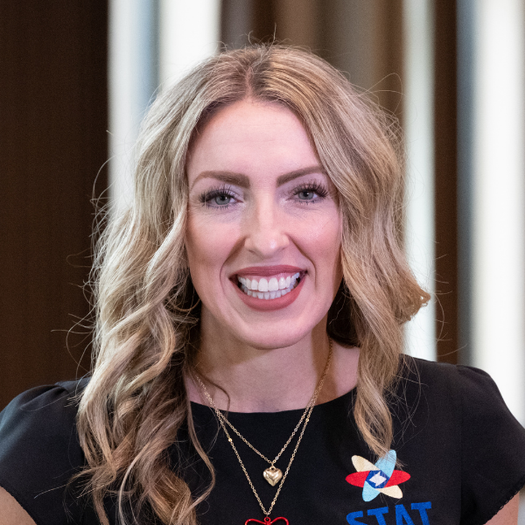 Elizabeth Bingham Elizabeth Bingham
Classroom Teacher
Argyle ISD (Region 1)
Bio: Elizabeth Bingham is an instructional leader committed to advancing science education through collaborative systems, strong curriculum design, and meaningful professional learning. With more than 15 years in public education, she works to build aligned, growth-centered structures that elevate both teacher practice and student achievement across Texas.
Elizabeth holds a Master of Education in Curriculum and Instruction from the University of Houston and a Bachelor of Science in Zoology–Biomedical Science from the University of Oklahoma. She currently serves as a PK–5 STEM Teacher and Data Team Lead in Argyle ISD and previously served as an eighth-grade Science Department Head and an upper-elementary math and science teacher.
Her professional work spans campus, district, and state levels. Elizabeth has written curriculum for both district implementation and statewide use, including serving as a fourth-grade Curriculum Writer for the TEKS Resource System and contributing to the development of elementary and secondary science frameworks. She regularly designs and facilitates professional learning for teachers at the campus, district, and state levels, with a focus on 3-D learning, implementation of the new Science TEKS, and practical classroom application.
At the state level, she serves on the Texas Education Agency T-TESS Refresh Stakeholder Advisory Committee and the Alt-STAAR Science Item Review Committee, working collaboratively to strengthen instructional systems and assessment alignment.
Within the Science Teachers Association of Texas, Elizabeth has served as a member of the Executive Board and presents regularly at the Conference for the Advancement of Science Teaching (CAST), presented by STAT. Her leadership is grounded in partnership, futuristic thinking, and a steadfast commitment to excellence for science educators and students across Texas.
Position Statement: Over the next 3 years, my vision for STAT is to strengthen and expand the work already underway—deepening year-round engagement, increasing strategic partnerships, and positioning STAT as the premier professional learning community for science educators in Texas.
STAT's mission—to build a community dedicated to advancing science teaching and learning—has never been more critical. As the educational landscape evolves, our responsibility is to ensure that our programming remains aligned with classroom realities, TEKS implementation, and the professional growth systems shaping districts across the state. I believe we have a unique opportunity to intentionally align our work with TIA pathways, district leadership priorities, and the needs of preservice and alternative certification educators so that STAT becomes not only a valued resource but an essential partner in professional learning.
Building on initiatives such as STAT365 and STAT STUDIO, I envision a more cohesive, scalable model of engagement that extends the excellence of CAST into meaningful, year-round connections. CAST will remain our flagship event, but we can continue reimagining its impact through integrated follow-up programming, educator spotlights, book studies, and digital content that reinforce implementation beyond the conference setting. By leveraging the creativity and expertise of our Executive Board, affiliates, and members, we can ensure that programming reflects the diverse needs of educators across Texas regions.
Partnership development will be central to this work. Strengthening affiliate relationships, expanding preservice and alternative certification engagement, and cultivating district-level collaboration will increase both accessibility and sustainability. Through strategic cross-promotion, shared feedback loops, and regional visibility, we can reinforce the value of belonging to STAT while honoring the relational community that has long defined our association.
I am also committed to proactive advocacy and strategic positioning. By leveraging member expertise and partnerships, STAT can remain responsive to legislative shifts, funding challenges, and policy changes while continuing to uphold high standards for science education. Our focus must remain on excellence for teachers and students—ensuring all Texas learners develop scientific literacy and the capacity to thrive in a technologically advancing world.
My interest in volunteer leadership within STAT is rooted in service and stewardship. I am committed to collaborative leadership, transparent communication, and future-oriented thinking. My goal is to help guide STAT in ways that preserve its strong community foundation while expanding its influence, accessibility, and impact across Texas. Together, we can continue advancing science teaching and learning with clarity, innovation, and purpose.
Secretary
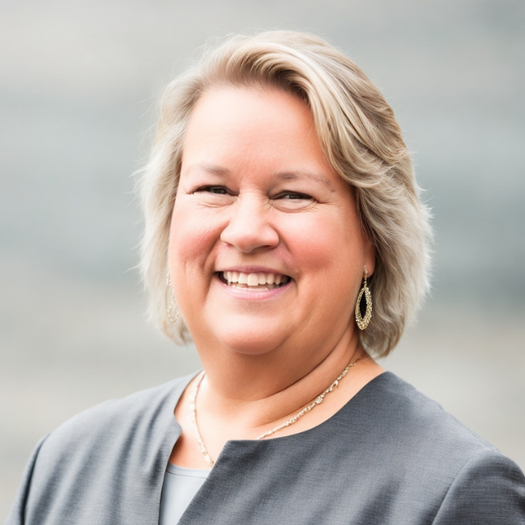 Cynthia Hopkins Cynthia Hopkins
Classroom Teacher
Corpus Christi ISD (Region 2)
Bio: Dr. Cynthia Hopkins is a National Board Certified Teacher with 19 years of experience dedicated to advancing high-quality STEM education. She teaches seventh-grade science and eighth-grade engineering at Kaffie Middle School in Corpus Christi Independent School District and also serves as an adjunct professor at Texas A&M University–Corpus Christi, where she teaches courses in science education and instructional design.
A four-time graduate of Texas A&M University–Corpus Christi, Dr. Hopkins holds 3 master’s degrees and a Ph.D. in curriculum and instruction. Her leadership extends across her district as chair of the District Advisory Team, science department chair, mentor teacher for new educators, and host to numerous clinical teachers preparing to enter the profession. She has also written district science curriculum and provided professional development for teachers locally, regionally, and nationally.
Dr. Hopkins is actively engaged in professional organizations, including the Science Teachers Association of Texas, National Science Teaching Association, and Texas Science Education Leadership Association. She has served on the STAT Mentor Committee, reviewed presentations for the Conference for the Advancement of Science Teaching (CAST), presented conference sessions, and served on the TSELA Executive Board.
Her professional work includes fellowships and research initiatives focused on STEM innovation, teacher leadership, and AI and computer science integration in education. She has presented at numerous conferences across Texas and the United States and has published research on supporting educators and improving science learning.
Dr. Hopkins' work has been widely recognized. In 2023, she was a finalist for Texas Secondary Teacher of the Year and received the TSELA Outstanding Leadership in Science Education Award and the Stand Up for STEM Educator Award. In 2025, she received the Truman K. Bell Award for Extraordinary Service from the Texas Science & Engineering Fair.
Position Statement: My interest in serving in a volunteer leadership role with STAT comes from a deep commitment to supporting science educators and strengthening science learning opportunities for all students across Texas. Throughout my career as a middle school science teacher, instructional leader, mentor, and adjunct professor, STAT has been an important professional home where educators collaborate, learn from one another, and advocate for high-quality science education.
Over the years, I have contributed to STAT by serving on the Mentor Committee, reviewing conference proposals, presenting sessions, and volunteering at CAST. These experiences have allowed me to connect with educators from across the state and see firsthand the powerful role STAT plays in advancing teacher leadership, professional learning, and innovation in science education.
My interest in STAT leadership is rooted in a desire to continue strengthening these opportunities for educators. Teachers across Texas are navigating significant shifts in curriculum, technology, and student needs. Professional organizations like STAT play a critical role in helping educators stay connected, informed, and supported. I believe my experience mentoring teachers, presenting professional development, and collaborating with educators at the local, regional, and state levels positions me to contribute meaningfully to this work.
Over the next 3 years, my vision for STAT includes expanding access to high-quality professional learning, strengthening teacher leadership pathways, and supporting educators as they navigate emerging technologies in science classrooms. As STEM and artificial intelligence continue to evolve, teachers need opportunities to explore how these tools can support inquiry, data analysis, and real-world problem solving in science education. STAT can continue to lead the state by providing resources, sessions, and collaborative networks that help teachers integrate innovative practices while maintaining strong alignment with standards and research-based instruction.
Another important focus is strengthening connections between new and experienced educators. Mentorship and professional networks are essential for teacher retention and professional growth. Expanding opportunities for mentoring, collaboration, and leadership development will help cultivate the next generation of science education leaders in Texas.
This vision aligns closely with STAT’s strategic priorities of supporting educators, promoting excellence in science teaching, and advocating for strong science education across Texas. By continuing to invest in professional learning, educator leadership, and collaboration, STAT can ensure that teachers have the tools and support they need to inspire students and prepare them for future STEM opportunities.
I would be honored to contribute to STAT’s mission and work alongside fellow educators to continue strengthening science education for students and teachers across Texas.
Board Member
 Ashley Martell Ashley Martell
Curriculum Specialist
Longview ISD (Region 7)
Bio: Ashley Martell holds a Bachelor of Science in Environmental Science from Stephen F. Austin State University and a Master of Education in Curriculum and Supervision from the University of Oklahoma. She is currently a doctoral candidate at the University of Oklahoma and anticipates earning her Doctor of Education in Supervision and Curriculum in May 2027.
Ashley dedicated 13 years to teaching high school science, instructing courses including biology, AP Biology, AP Environmental Science, forensics, and environmental systems. She served as Lead Science Teacher and Science Department Chair for 7 years, supporting instructional planning, curriculum alignment, and teacher development. During that time, she also contributed to campus culture as an assistant and then head cheer coach for 6 years and sponsored student organizations such as the National Honor Society, DECA, and Interact Club.
She attended CAST every year for 10 years, volunteered several times, and was recently chosen to present at CAST. She is also a member of the Texas Science Education Leadership Association.
Her district-level involvement included serving on the high school District Leadership Team for 4 years and facilitating multiple professional development sessions at district conferences. She was honored with the Shining Star Award, selected by her peers, and was nominated for Teacher of the Year 3 times.
Currently serving as a K–12 District Science Curriculum Specialist, Ashley coaches teachers, designs and delivers monthly professional development, facilitates summer learning for teachers and administrators, and develops and analyzes direct assessments to strengthen instructional practice and student achievement. Through her leadership and commitment to continuous improvement, she remains dedicated to advancing science education at the campus and district levels.
Position Statement: Over the next 3 years, my vision STAT is to intentionally strengthen support systems for science educators—especially new teachers—while expanding advocacy and equitable access to high-quality instructional resources across the state.
A central priority of my vision is the development of a comprehensive mentoring and induction framework for early-career science teachers. I believe STAT can play a transformative role by creating structured, year-long virtual professional development designed specifically for teachers in their first 3 to 5 years. This could include mentorship pairings, discipline-specific learning cohorts, classroom management for lab settings, safety training, curriculum planning support, and assessment design workshops.
In addition, I envision dedicated strands at CAST, specifically sponsored and facilitated by STAT for new science teachers. These sessions would provide practical tools, networking opportunities, and leadership pathways to help early-career educators feel supported, confident, and connected to a statewide professional community.
Beyond professional growth, I see STAT deepening partnerships with affiliates and corporate sponsors to help address inequities in lab materials and instructional resources. By collaborating strategically with partners, STAT could help facilitate grant opportunities, supply drives, sponsorship programs, or targeted support for districts where funding limits access to high-quality laboratory experiences. Ensuring that all students have access to meaningful, hands-on science learning aligns directly with STAT’s advocacy priorities and commitment to maintaining the highest levels of science education in Texas schools.
This vision aligns seamlessly with STAT’s strategic focus on Professional Growth & Support and Advocacy for Science Education. By building intentional mentoring systems, providing differentiated and sustained professional development, and advocating for equitable access to materials and funding, STAT can further establish itself as the premier statewide resource for science educators. Ultimately, this approach advances STAT’s mission to build a strong professional community and ensures that all Texas students become scientifically and technologically literate, responsible, and productive citizens.
Board Member
 Karla Velarde Karla Velarde
Classroom Teacher
Laredo ISD (Region 1)
Bio: Karla Velarde has been a teacher for 13 years, including the last 6 teaching fifth-grade science. Beginning in the previous school year, her district also assigned her to teach Technology Applications. In 2009, she earned a Bachelor of Science in Interdisciplinary Studies from Texas A&M International University, majoring in Early Childhood Education with a bilingual specialization. In 2021, she earned a Master of Science in Curriculum and Instruction with an emphasis in Educational Administration from Texas A&M International University.
Throughout her career as an educator, Karla has taught Pre-K, kindergarten, first grade, fourth grade, and, most recently, fifth grade. She has attended extensive professional learning in science and technology, including CAST, Texas Farm Bureau’s Summer Ag Institute, and the TACC WeTeach_CS 2025 Summit.
She currently serves as an Ambassador for Take Care of Texas, is a member of Texas Parks & Wildlife’s Project WILD Advisory Committee, and served as a Review Teams Manager for the State Board of Education’s IMRA 2025. She has helped write curriculum on several occasions, including for her district’s science department and Region One’s Adelante Con Arboles project, and has reviewed curriculum for the Computer Science Teachers Association.
Karla enjoys learning new things and sharing her knowledge with peers. She is especially passionate about helping colleagues discover new projects and feel confident trying new ideas outside the box.
Position Statement: My vision for STAT over the next 3 years is to continue to build a learning and networking community of passionate, hardworking teachers and advocates that will have a positive impact and foster scientifically and technologically literate students.
I would also like to explore opportunities that will allow STAT to incorporate more resources and professional development geared toward bilingual and dual language incorporation, as well as adaptive science for students in special education classrooms.
|